


.png)
Cervical Cancer Treatment In Pune
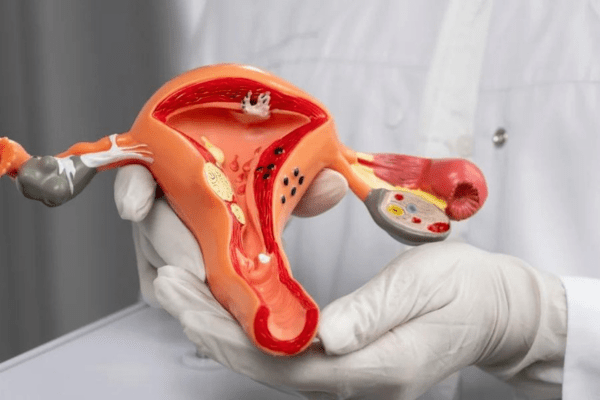
Let’s start with the good news. Cervical cancer is a preventable disease. Now, the bad news – most women in India are still not aware of the simple screening that can save their lives. Are you diagnosed with cervical Cancer? Looking for a Screening test in Pune? looking for Cervical cancer treatment in Pune? If you need counseling related to cervical cancer then you’re at the right place.
On this Page, Dr. Kunaal Shinde guides on What is Cervical Cancer, Risk factors, Diagnosis, and Treatment options. Dr. Kunaal Shinde is a gynecologic cancer surgeon in Baner, trained specifically in gynecologic oncology, with over 15 years spent treating this exact cancer. He’s one of the few surgeons in the region offering robotic-assisted surgery for cervical cancer, on top of standard surgical options, and that experience adds up to more than 12,000 surgeries so far. If you live in Baner, Pune, or nearby areas and have been diagnosed with cervical cancer, this is exactly where to start.
What is Cervical Cancer?
Cervical cancer occurs when abnormal cells in the cervix grow uncontrollably and form tumors. These tumors can invade nearby tissues and spread to other parts of the body if left untreated. It usually happens due to a long-lasting infection caused by the HPV virus, which spreads through sexual contact.
In most cases, the body fights off HPV naturally, but sometimes the virus stays in the body and slowly changes normal cells into cancer cells. The good news is that cervical cancer can often be prevented. Regular screening tests like Pap smears help detect early changes, and the HPV vaccine protects against the main causes of this cancer. If found early, cervical cancer is highly treatable with options like surgery, radiation, or medicines.
Types of Cervical Cancer:
There are two main types of cervical cancer. The most common type is:
- Squamous cell carcinoma: This type of cervical cancer starts in the outer lining of the cervix.
- Adenocarcinoma: This type of cervical cancer begins in the glandular cells inside the cervix. In rare cases, both types can occur together or other uncommon types may develop.
Symptoms of Cervical Cancer:
Cervical cancer rarely causes symptoms early on, which is precisely why regular screening matters more than waiting to feel something wrong. As it progresses, these are the signs worth watching for:
- Abnormal vaginal bleeding : between periods, after sex, or after menopause.
- Unusual vaginal discharge : watery or blood-tinged, often with a noticeable odour.
- Pain during intercourse, especially if it’s new or keeps happening.
- Pelvic pain or pressure that doesn’t match your usual cycle.
- Frequent urination, with no infection to explain it.
- Lingering lower back pain or fatigue is often a sign that the cancer has progressed further.
No single symptom here confirms cancer. But if a few of these show up together and stay past two weeks, don’t wait it out; get checked. Caught early, cervical cancer is one of the most treatable cancers there is.
How is Cervical Cancer Diagnosed?
For the Diagnosis of cervical cancer, Dr. Kunaal Shinde – Robotic Gynaec Onco surgeon in Pune, at Love your Belly Clinic at Baner has recommended the below test for diagnosis.
- Pap smear: This traditional test checks for abnormal cervical cells.
- HPV test: This newer test detects the presence of high-risk HPV strains.
- Colposcopy: If abnormalities are detected, a colposcopy provides a magnified view of the cervix for further evaluation.
Doctors usually recommend starting screening at age 21. From 21 to 29, a Pap smear every 3 years is enough. Once you turn 30, you have two options: an HPV test every 5 years, or a combined Pap and HPV test every 5 years. Either one works well, and neither needs to be repeated yearly.
Risk Factors:
Dr. Kunaal Shinde explains some factors that increase your risk of developing cervical cancer. These include:
- HPV infection: Having multiple sexual partners, early age of first sexual encounter, and a weakened immune system can increase your risk of contracting HPV.
- Smoking: Smoking weakens the immune system and damages cervical cells, making them more susceptible to HPV infection and cancerous changes.
- Family record: If your mother or sister has had cervical cancer, you’re at a little higher risk.
- Other STIs: Having other sexually transmitted infections like chlamydia or HIV can weaken the immune system and increase HPV-related cancer risk.
Cervical Cancer Treatment in Pune:
Treatment for cervical cancer depends on the stage of the cancer and may include surgery, radiation therapy, chemotherapy, or a combination of these treatments.
Stages of Cervical Cancer
Doctors stage cervical cancer from I to IV, based on how far it’s spread by the time it’s found.
Stage I: Confined to the cervix itself, hasn’t spread anywhere else. Treatment succeeds most often here.
Stage II: Grown beyond the cervix and uterus, but hasn’t reached the pelvic wall or lower vagina.
Stage III: Reached the pelvic wall or lower vagina, or pressing on a ureter enough to affect the kidney.
Stage IV: Spread to the bladder, rectum, or distant organs like the lungs or liver.
Treatment by Stage
- Stage 0 (Precancer): Removed early with a simple procedure like a cone biopsy or LEEP.
- Stage I & II: Treated mainly with surgery. A cone biopsy removes small, early tumors, while a radical hysterectomy removes the uterus, cervix, and surrounding tissue for more advanced cases. Many patients benefit from laparoscopic or robotic-assisted surgery at Love Your Belly Clinic, which means smaller cuts and faster recovery.
- Stage III & IV: Treated with radiation and chemotherapy together. Radiation destroys cancer cells using high-energy rays — either from outside the body (external beam) or placed directly near the tumor (brachytherapy). Chemotherapy is given alongside radiation to make treatment more effective.
Cervical Cancer Prevention:
- Get Vaccinated: The HPV vaccine protects against the types of HPV that most often cause cervical cancer. In females, the HPV vaccine helps to prevent cervical, vaginal and vulvar cancers. It also protects against cancer of the anus, mouth and throat.
- Get Screenedm: Cervical cancer can be prevented or found early with regular screening tests. If you are having any symptoms of cervical cancer, call your health care provider right away.
Why Choose Dr. Kunaal Shinde for Cervical Cancer Treatment
- 15+ Years of Surgical Experience: Over 12,000 surgeries and 25,000+ patients treated, with a dedicated fellowship in Gynecologic Oncology from the Gujarat Cancer & Research Institute.
- Advanced Robotic & Laparoscopic Expertise: Trained by the International College of Robotic Surgeons, offering minimally invasive cervical cancer surgery with smaller incisions and faster recovery.
- Focused Onco-Surgical Care: Specialized management of cervical cancer across stages, from fertility-preserving procedures to radical hysterectomy.
- Multi-Hospital Access: Consultations available at Jupiter Hospital, Cloudnine Hospital, Manipal Hospital, and Todkar Hospital — convenient for patients across Baner, Balewadi, Aundh, and Wakad.
- Personalized, Patient-First Approach: Every treatment plan is tailored to the patient’s stage, health, and priorities, with clear communication at every step.
Book an Appointment
Early diagnosis and the right treatment plan make all the difference in cervical cancer outcomes. Consult Dr. Kunaal K. Shinde, Robotic Gynaec Onco Surgeon in Baner, Pune, for expert evaluation and advanced, minimally invasive treatment options. Call: 87 9722 9722 to book an appoitment.
Frequently Asked Questions (FAQ's):
Look for a hospital with a dedicated gynecologic oncology team, advanced imaging, and both surgical and radiation facilities on site. Dr. Kunaal Shinde treats cervical cancer at Love Your Belly Clinic, and also consults at Jupiter, Cloudnine, and Manipal hospitals, so you can choose whichever is most convenient for you.
Very slowly, in most cases. It typically takes 10 to 20 years for a persistent HPV infection to progress through precancerous changes into invasive cervical cancer, which is exactly why regular screening catches it early. In some cases, especially with a weakened immune system, this progression can happen faster.
No, it doesn't cover every type. The vaccine protects against the HPV strains responsible for roughly 90% of cervical cancers, mainly types 16 and 18. Because some high-risk strains aren't covered, regular screening is still necessary after vaccination, even once you've completed the full course.
Cost depends on the stage and type of treatment needed. Surgery alone in Pune typically ranges from ₹1.5 lakh to ₹4 lakh. With chemotherapy or radiation added, total treatment can reach ₹4 lakh to ₹9 lakh. Your exact cost gets confirmed only after diagnosis and staging.
HPV is a virus. Cervical cancer is a disease that virus can cause. Most HPV infections clear up on their own without ever causing harm. Cervical cancer develops only when a high-risk strain stays in the body for years, causing abnormal cell changes that go undetected and untreated.
The right specialist is a gynecologic oncologist, not a general gynecologist, someone specifically trained in cancer surgery. Dr. Kunaal Shinde is fellowship-trained in Gynecologic Oncology, with 15+ years of experience and 12,000+ surgeries performed, and treats cervical cancer at Love Your Belly Clinic, Pune.
WhatsApp us